
Smarter Planning Needed to Ensure Urban Growth Does Not Swallow Farmable Land

Nigeria’s expanding cities and booming real‑estate development reflect a vibrant growth story. But alongside that story lies a risk: the loss of valuable agricultural land as urban and peri‑urban areas sprawl unchecked. Real estate professionals must recognise that the future of housing, farming, and national food security are increasingly entwined.
Urban Expansion and Agricultural Land Loss
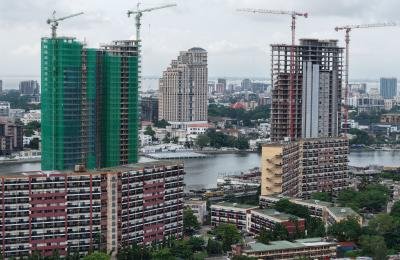
Cities across Nigeria are growing rapidly. As residential, commercial and industrial uses push outward from major hubs like Lagos, Abuja and Port Harcourt, surrounding farmland and open space are increasingly converted into development. This trend is documented in research showing that in some regions agricultural land has already been reduced by more than 40 percent in recent decades.
When farmland is lost to urban expansion, the consequences are multi‑fold: reduced local food production, higher reliance on food imports, erosion of rural livelihoods and increased pressure on urban infrastructure. A recent analysis by BusinessDay described this dynamic as a “nexus between real estate and food security”, noting how farmland conversion around cities could undermine Nigeria’s long‑term resilience.
Why Smart Planning Matters in Real Estate
For developers, brokers and investors the strategic implications are clear. It is no longer sufficient to identify land purely by its proximity to urban centres or infrastructure corridors. Effective real‑estate planning must consider:
- the sustainability of surrounding land use;
- the preservation of food‑producing zones;
- future regulatory environments and their impact on land value;
- whether a project helps rather than harms the broader ecosystem of city and countryside.
In many cases, the absence of coherent urban planning leads to inefficient land use, infrastructure shortfalls and localisation of risk. For example, when new housing estates replace farms without adequate transport, utilities or employment nodes, they may perform poorly in the long run.
Aligning Real‑Estate Growth with Agricultural Protection
Here are concrete ways real‑estate professionals can align growth strategies with farmland protection:
- Prioritise infill and vertical residential development: Instead of expanding endlessly outward, focus on redeveloping underutilised urban land and building upward. This approach reduces the pressure on farmable land at city edges.
- Integrate land‑use assessments into site selection: Before acquiring land, obtain detailed mapping of current agricultural activities and assess the cost of converting viable farmland both financially and socially.
- Engage with policy and planning agencies early: City planning departments, agriculture ministries and rural development offices often have data and insight on land‑use change. Early collaboration can reduce risk and ensure regulatory support.
- Promote mixed‑use, sustainable communities: Creating developments that include space for urban farming, green corridors and food‑production zones contributes to resilience and enhances value.
- Monitor long‑term land value trends: Farmland that retains productivity may offer defence against value erosion. Projects that preserve adjacent green space and agricultural activity may enjoy stronger performance and lower risk over time.
Implications for Real Estate Investors
For investors the trend offers both opportunity and caution. On one hand growth in urban housing demand remains strong. On the other, if developments contribute to farmland loss without compensating planning, they may face regulatory backlash, community resistance or diminished resale value.
Investors should therefore factor in the “externalities” of land conversion how the broader ecosystem of food production, environment and infrastructure affects long‑term asset value. A project that looks promising today but undermines the surrounding land use may underperform tomorrow.
Policy and Sector Collaboration Are Key
Ultimately the challenge cannot be solved by developers alone. State and local governments must embed agricultural protection within urban planning frameworks. This includes establishing agricultural greenbelts, enforcing zoning that distinguishes farmable land from purely speculative development land, and incentivising urban agriculture. Comparative examples such as Canada’s greenbelt programmes suggest that urban expansion does not have to mean uncontrolled farmland loss.
For the real‑estate sector, the call to action is clear: growth must be purposeful, not careless. As Nigeria’s cities rise and its population grows, the choices developers make now will influence land‑use patterns, food security and economic resilience for decades.
The real‑estate boom in Nigeria holds immense promise. Yet it also carries responsibility. By marrying housing innovation with agricultural preservation, real‑estate professionals can build not just for profit, but for permanence. They can help create cities that grow intelligently, support their hinterlands, and safeguard the land that feeds the nation.
News insight
 Nov 17, 2025
A New Era for African Real Estate: From Abuja to Lagos - PBI Magazine Launches in Style
Property Brokers International (PBI) launches its magazine in Lagos on Nov 18, 2025, following its A...
 Nov 08, 2025
Nigeria’s Real Estate Goes Digital And Property Brokers International Is Leading the Change
Nigeria’s real estate sector is embracing a digital transformation. Property Brokers International l...
 Nov 08, 2025
Strategic Advisory in a Volatile Economy: How Professional Valuers Can Drive Policy and Investor Confidence
In Nigeria’s volatile economy professional valuers are moving beyond appraisals to strategic advisor...